Biggest M Series Quantum 2019 Buying Mistakes (And How to Avoid Them)
The M Series Quantum 2019 attracted a lot of attention when it hit shelves: quantum-dot color, competitive pricing, and a feature set that promised bright, punchy pictures for movies, sports, and gaming. Many buyers came away delighted, but a surprising number of purchases also led to disappointment — not because the TV was inherently flawed, but because buyers made predictable mistakes during selection, setup, and use. This article outlines the most common errors people make when buying the M Series Quantum 2019 and provides practical guidance to avoid them. The goal is to help readers make an informed decision and get the most out of this model in real-world environments.
Introduction: What the M Series Quantum 2019 Offers — and What It Doesn’t
The M Series Quantum 2019 sits in a midrange segment where color performance and value are the principal selling points. Featuring quantum-dot technology, these sets offer a wider color gamut than basic LED TVs and deliver lively HDR highlights in well-encoded content. That said, buyers sometimes treat marketing claims as guarantees: quantum dots improve color reproduction, but they don’t automatically turn a midrange LCD into an OLED-level contrast machine. Understanding the platform’s strengths and limitations is the first step toward avoiding common buying mistakes.
Detailed Product Review and Real-World Analysis
Picture Quality: Color, Brightness, and Contrast
In everyday viewing, the M Series Quantum 2019 tends to impress with saturated, engaging colors. Quantum-dot filters expand the range of reproducible hues, which is especially noticeable in animated films, nature documentaries, and sports broadcasts. These improvements translate to a more lifelike palette when the TV is showing HDR content that has been properly mastered.
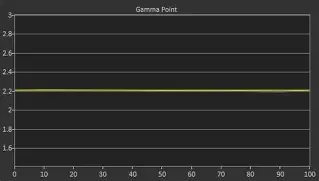
However, several real-world caveats apply. The TV’s native contrast is limited by the LCD panel and backlight system. In a dark room, black levels will appear elevated compared with emissive displays like OLED. Local dimming helps, but effectiveness varies by panel size and the number of dimming zones; viewers in small rooms who expect inky blacks will likely be disappointed without careful calibration and appropriate room lighting.
HDR Performance and Content Expectations
HDR content looks punchier on the M Series Quantum 2019, but HDR performance is tied to peak brightness and tone-mapping. In practice that means highlight detail (sun glare, specular reflections) will look subjectively better than on non-quantum midrange sets, yet it won’t reach the same impact as higher-tier displays with far greater peak output. Buyers who base their decision solely on “HDR support” without considering viewing environment, content quality, and peak brightness are often surprised.
Smart Platform and Everyday Use
The M Series generally runs a mainstream smart platform offering popular streaming apps, casting functionality, and firmware updates. For most buyers this is fine: streaming Netflix, Hulu, Disney+, or YouTube works well. Power users who expect an expansive app store or frequent software feature rollouts should verify the platform’s update history and app availability; smart platforms differ markedly in app ecosystem and longevity.
Gaming and Input Considerations
For console and PC gaming, the M Series Quantum 2019 performs competently in many scenarios. Input lag in game mode is typically low enough for casual and many competitive players, but those who require the absolute lowest latency and features like variable refresh rate (VRR) and 4K/120Hz support should confirm specific model capabilities. In 2019 the HDMI and VRR ecosystem was in flux, and not every midrange set supports the newest console features natively.
Discover deals on TVs & Home Theater — updated daily.
Browse Now →Audio, Remote, and Ergonomics
Built-in audio is serviceable for dialog and small rooms, but the TV’s speakers cannot match a dedicated soundbar or AV receiver for dynamic range and bass. Buyers who skip external audio planning — assuming the TV alone will provide theater-like sound — often regret it. Similarly, check stand width and VESA mount compatibility if the TV needs to sit on a specific piece of furniture or be wall-mounted.
Most Common Buying Mistakes (And How to Avoid Them)
Mistake 1 — Choosing the Wrong Size for the Room
Many buyers equate “bigger is better” without considering viewing distance and resolution. A 65-inch M Series in a small bedroom might overwhelm the field of view, making on-screen text and UI elements harder to read and amplifying perceived imperfections in upscaled content.
- How to avoid: Measure viewing distance and use a size guideline: for 4K content, sitting about 1 to 1.5 times the screen height is comfortable for most viewers. If unsure, visit a store to compare sizes at real distances.
Mistake 2 — Expecting OLED-level Blacks and Contrast
Quantum-dot LCDs enhance color, but they cannot create light the way OLED pixels can. Some buyers get frustrated by blooming, haloing around bright objects, and lifted blacks in dark scenes.
- How to avoid: Adjust room lighting and enable local-dimming features with conservative settings. Consider a higher-tier model or OLED if deep blacks and infinite contrast are top priorities.
Mistake 3 — Not Checking Input/Output Requirements
Failing to verify HDMI ports, ARC/eARC support, or HDMI bandwidth can limit the TV’s usefulness with current gear. For example, an owner might discover the TV lacks the necessary HDMI features for a next-gen console’s highest settings.
- How to avoid: List all devices (game consoles, cable/satellite boxes, soundbars) and check the TV’s port specs before buying. If future console features are critical, confirm supported HDMI bandwidth and firmware update policies.
Mistake 4 — Overlooking Room Lighting and Placement
Buying a TV for a bright living room without testing its anti-reflective treatments and peak brightness can lead to washed-out images and glare frustrations.
- How to avoid: Test the TV in a similar lighting environment or ask for measurements of peak brightness. If the room has large windows or reflective surfaces, consider matte-finish screens or placement adjustments to minimize reflections.
Mistake 5 — Ignoring Sound Needs
Assuming integrated speakers will deliver cinematic audio is common. A midrange set’s speaker system rarely provides full-bodied sound or robust bass, particularly for action movies and music.
Find top-rated TVs & Home Theater products at great prices.
Shop Amazon →- How to avoid: Budget for a soundbar or external speakers when purchasing the TV. Verify ARC/eARC or optical outputs for easy audio system integration.
Mistake 6 — Not Calibrating the Picture
Out-of-the-box picture modes often prioritize vividness over accuracy. This is great for store demo settings but can result in oversaturated skin tones and excessive brightness at home.
- How to avoid: Switch to a preset like “Movie” or “Calibrated” and tweak brightness, contrast, and color temperature, or use a calibration image disc or app for more precise results.
Pros & Cons
- Pros:
- Wide color gamut and vibrant HDR highlights for an engaging picture
- Competitive value for buyers wanting quantum-dot color at midrange prices
- Appropriate for mixed use: streaming, sports, casual gaming
- Typically includes mainstream smart features and streaming apps
- Cons:
- Contrast and black levels fall short of OLED alternatives
- Local dimming effectiveness varies by size and model configuration
- Built-in audio is limited for serious home theater applications
- Not all models offer the latest HDMI features sought by hardcore gamers
Comparison Table: How the M Series Quantum 2019 Stacks Up
| Feature | M Series Quantum 2019 | Basic LED (budget) | Higher-tier QLED / P-series |
|---|---|---|---|
| Color Gamut | Expanded (quantum-dot) | Standard | Expanded to very wide |
| Contrast / Black Level | Good with local dimming; not OLED | Poorer in dark scenes | Superior with more dimming zones or emissive tech |
| HDR Impact | Notable improvement vs budget | Limited | Stronger due to higher peak brightness |
| Gaming Features | Low latency in game mode; check VRR/120Hz support | May have higher input lag | Comprehensive (VRR, low lag, high refresh) |
| Smart Platform | Mainstream apps and casting | Basic apps | Robust ecosystems and frequent updates |
| Value | High for color-conscious buyers | Highest value for basic viewing | Premium price for premium performance |
Buying Guide: Practical Steps Before and After Purchase
Before Buying — Checklist
- Measure viewing distance, room layout, and the placement surface to select an appropriate screen size.
- List existing equipment and ensure the TV has enough ports and proper ARC/eARC/HDMI capability for integration.
- Test in similar lighting conditions or confirm anti-reflective performance and peak brightness if buying online.
- Verify the TV’s firmware update policy and the smart platform’s app availability for services used daily.
- Check return and exchange policies; confirm physical dimensions (stand width, VESA pattern) to avoid surprises.
In-Store or In-Home Tests
- Play a range of content: a dark movie scene, a bright outdoor scene, sports, and high-motion gaming to evaluate motion handling, blooming, and contrast.
- Look for uniformity issues: backlight bleeding, clouding, or visible banding across large color fields.
- Inspect connectivity: plug in a console or streaming device and test input lag in game mode and audio pass-through for sound systems.
- View off-axis to judge how well colors hold up from common seating positions in the room.
After Purchase — Setup and Optimization
- Update firmware immediately to fix early bugs and improve app performance.
- Choose a conservative picture preset (Cinema/Movie) for accurate colors and reduce eye strain for extended viewing.
- Calibrate basic settings: set backlight to suit room brightness, lower contrast if clipping highlights, and use warm color temperature for natural skin tones.
- Enable any available local dimming and noise-reduction controls, but be careful: aggressive processing can soften fine detail.
- Plan for audio: add a soundbar or AV receiver for better dialog clarity and dynamic range if needed.
Common Post-Purchase Issues and Fixes
Blooming and Haloing Around Bright Objects
Fixes: reduce local dimming aggressiveness, lower backlight or brightness, and use picture modes optimized for dark-room viewing. If halos persist intolerably, consider a model with finer local dimming or a different panel technology.
Reflections in Bright Rooms
Fixes: reposition the TV, add curtains or blinds to control sunlight, or select an anti-glare surface when replacing the set. In some cases, increasing contrast and backlight helps but can make blacks worse in dark scenes.
Smart App or Playback Problems
Fixes: check for app and firmware updates, restart the TV and router, and if necessary use external streaming devices that provide preferred app ecosystems and faster updates.
Conclusion
The M Series Quantum 2019 offers substantial color improvements and strong value for buyers who prioritize vivid, engaging pictures without stepping into premium price territory. However, success with this series depends less on marketing and more on matching the TV to real-world needs. Common buying mistakes — selecting the wrong size, expecting OLED-level contrast, neglecting audio, or overlooking connectivity — are avoidable with a little planning: measure the room, verify ports, test the set in comparable lighting, and budget for a soundbar if cinematic audio matters. With careful selection and basic calibration, buyers can enjoy the M Series Quantum 2019’s strengths while avoiding the predictable pitfalls that turn promising purchases into disappointments.